



Outlook
From Secular Nationalism to Post-Secular Hybridity: Bangladesh Between Systemic Islamism and Democratic Politics, 1946–2026
Mon Mar 9 2026 || Author : Manoj Kumar Lall, Distinguished Fellow ISCS
Abstract
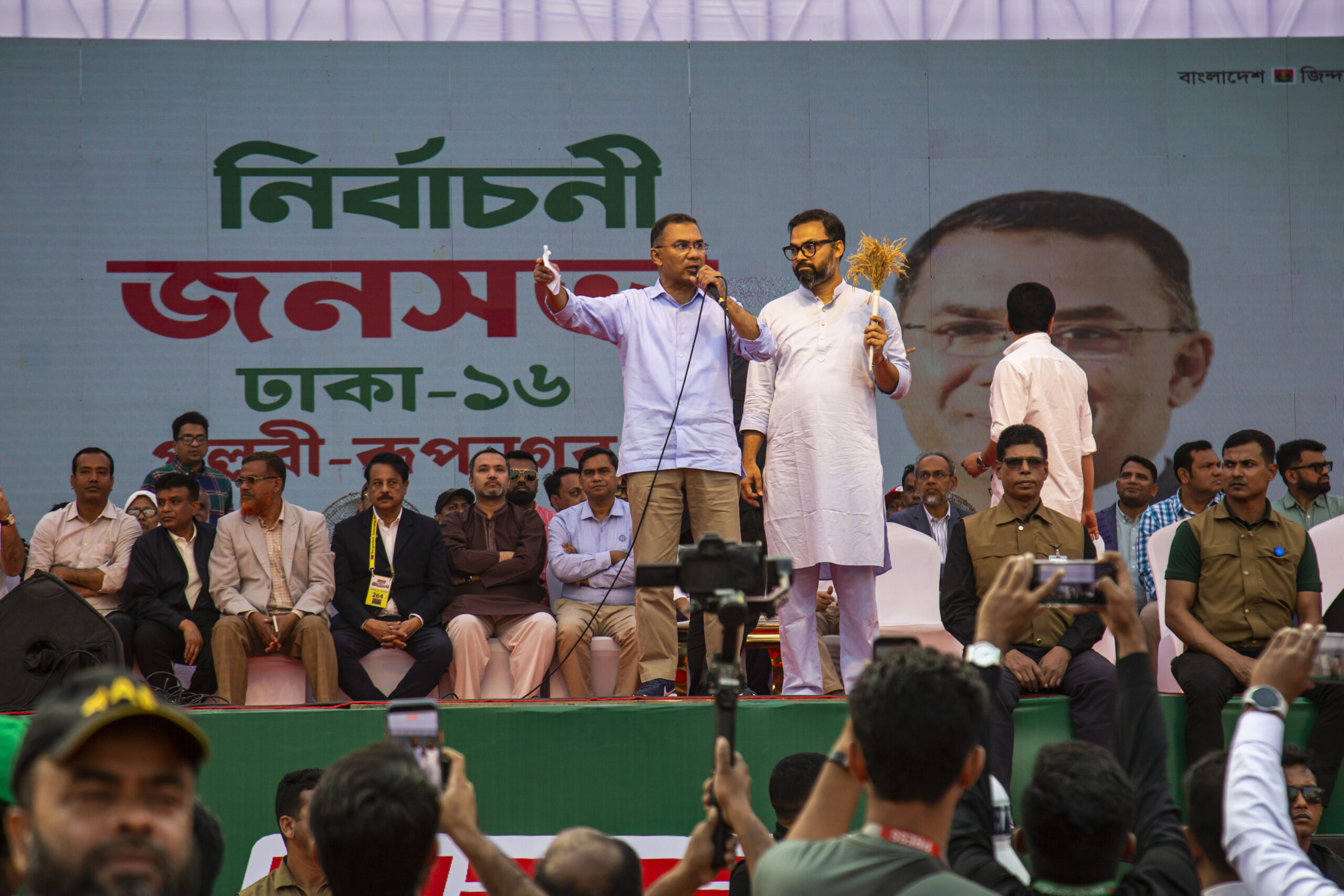
The political transformation in Bangladesh following the 2026 general elections and the return of the Bangladesh Nationalist Party (BNP) under Tarique Rahman represents a critical moment in the country’s evolving ideological trajectory. This article situates contemporary political developments within the longer historical arc linking Islamic mobilization in late colonial Bengal, the emergence of Bengali linguistic nationalism in East Pakistan, and the founding secular settlement of Bangladesh after the Liberation War of 1971. Drawing on scholarship on Bengal’s communal politics, nationalism, and Islamist movements, it argues that Bangladesh’s political evolution cannot be understood through linear narratives of either secularization or Islamization. Instead, the country has gradually developed into a post-secular hybrid state in which secular constitutional principles coexist with enduring religious political mobilization. The article introduces the concept of systemic Islamism to explain the influence of Islamist ideology beyond electoral politics through institutional networks, educational structures, and social movements. Interpreting the resurgence of Islamist actors and the political recalibration of the BNP in 2026 within this historical continuum, the study concludes that Bangladesh’s political order remains defined by the unresolved tension between secular Bengali nationalism and Islamic political identity.
Introduction
The political transformation unfolding in Bangladesh following the 2026 general elections and the return of the Bangladesh Nationalist Party (BNP) under Tarique Rahman cannot be understood merely as a routine alternation of governments. Instead, it represents the latest phase in a long ideological contest between Islamic political identity and secular Bengali nationalism that has shaped Bangladesh’s politics since the final decades of colonial rule.
The creation of Pakistan in 1947 was deeply rooted in the political mobilization of Muslim identity across British India, particularly in provinces such as Bengal, where Muslim demographic strength and electoral mobilization enabled the Muslim League to claim representative authority over the Muslim electorate (Chatterji, 1994; Talbot, 2009). Yet the same region that contributed decisively to the creation of Pakistan later became the epicentre of the movement that led to its disintegration in 1971. As several scholars have noted, the political experience of East Pakistan revealed the structural tensions between religious nationalism and the linguistic, cultural, and economic aspirations of the Bengali population (Khan, 1985; Rashiduzzaman, 1979). The gradual emergence of Bengali linguistic nationalism therefore demonstrated that Islamic identity alone could not sustain a cohesive political community across the two wings of Pakistan, ultimately culminating in the creation of Bangladesh in 1971 (Roy, 2009; Fazal, 1999).
The founding ideology of Bangladesh attempted to resolve this contradiction by institutionalizing secular nationalism within the 1972 Constitution, which sought to prevent the political use of religion and establish a state founded on nationalism, socialism, democracy, and secularism. Scholars have noted that this constitutional framework represented a deliberate effort by the post-Liberation leadership to distance the new state from the religion-based nationalism associated with Pakistan (Rashiduzzaman, 1979; Khan, 1985). However, subsequent political developments, particularly following the transformations initiated under Zia-ur-Rahman in the late 1970s, gradually reintroduced Islamic identity into the ideological framework of the Bangladeshi state (Huque, 1987; Hossain, 2004).
This article conceptualizes Bangladesh as a post-secular hybrid state shaped by systemic Islamism. Existing scholarship on Bangladesh has generally been divided between two interpretive frameworks. One emphasizes the triumph of secular Bengali nationalism following the Liberation War (Khan, 1985; Rashiduzzaman, 1979). Another highlights the resurgence of Islamic political identity following the ideological reforms initiated under Zia-ur-Rahman (Grare, 2005; Riaz, 2008). This article argues instead that Bangladesh’s political system has evolved into a hybrid ideological order in which secular constitutional norms coexist with entrenched religious political mobilization.
Historiographical Context
The role of religion in the political history of the Bengal region, East Pakistan, and later Bangladesh across successive phases of political transformation has been the subject of extensive scholarly debate. Studies of the Pakistan movement have emphasized the mobilization of Muslim political identity and the significance of demographic strength in Muslim-majority provinces such as Bengal (Chatterji, 1994; Talbot, 2009). The communal polarization accompanying the final phase of colonial rule, including episodes such as the Calcutta killings and the Noakhali riots, further reinforced the salience of religious identity in political mobilization (Mahajan, 1987; Mitra, 1990).
The disintegration of Pakistan’s eastern wing in 1971 generated a second body of scholarship focusing on the rise of Bengali nationalism. Zillur Rahman Khan (1985) argued that the emergence of Bengali nationalism reflected the inability of religious identity alone to accommodate linguistic and economic disparities within Pakistan. Other scholars emphasized the persistence of Islamic identity in Bangladeshi society even during the early years of independence (Rashiduzzaman, 1979; Huque, 1987). Debates over national identity in the new state continued to reflect tensions between secular Bengali nationalism and Islamic political identity (Islam, 1981).
More recent scholarship has focused on the institutional presence of Islamist movements in Bangladesh. Jamaat-e-Islami has been shown to exert influence beyond electoral politics through its organizational networks, educational institutions, and ideological activism (Grare, 2005; Riaz, 2008). The expansion of madrasa education and Islamist social organizations further contributed to the diffusion of Islamic political identity within Bangladeshi society (Ellis, 2007). In addition, the emergence of militant Islamist networks has drawn attention to the evolving dynamics of Islamist mobilization within Bangladesh’s political system (Islam, 2016).
Reframing the Historical Trajectory
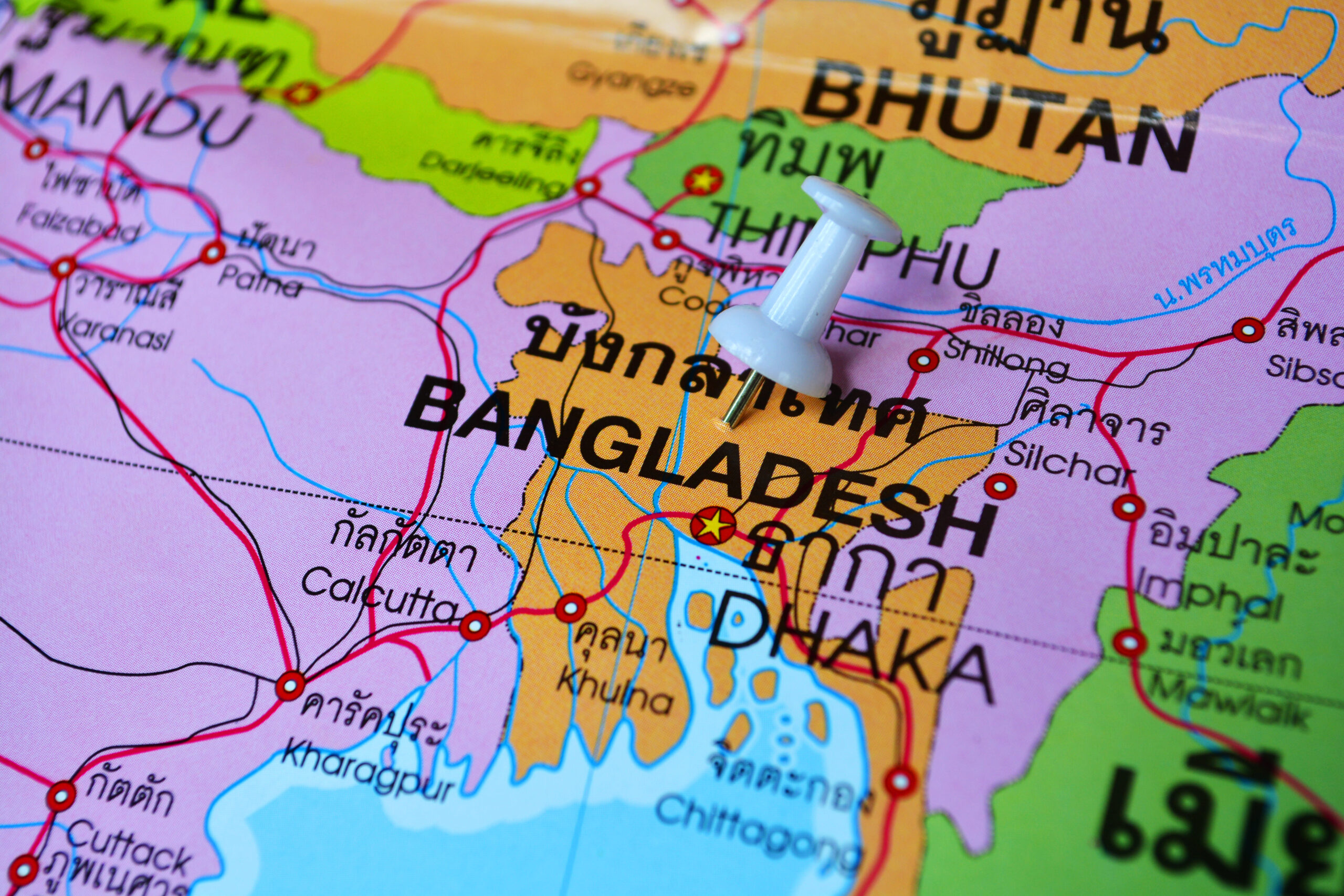
The creation of Pakistan was inseparable from the political mobilization of Muslim identity in Bengal. Bengal’s demographic weight, comprising nearly one-third of British India’s Muslim population, was essential to the Muslim League’s claim to represent a Muslim nation (Chatterji, 1994; Rashiduzzaman, 1970; Talbot, 2009). The consolidation of Muslim political support in Bengal strengthened the League’s argument that it spoke for India’s Muslim electorate (Ghosh, 2011; Roy, 2009).
Yet the political experience of East Pakistan revealed the limits of religion-based nationalism as the sole foundation of a viable state. Linguistic, cultural, and economic identities increasingly overshadowed religious solidarity (Khan, 1985; Fazal, 1999; Rashiduzzaman, 1979). The emergence of Bangladesh therefore represented a profound reversal of the ideological logic that had produced Pakistan (Zaman, 1975).
The Liberation Settlement and Its Limits
The Liberation War of 1971 is often interpreted as a decisive rejection of religion-based nationalism. The founding principles of Bangladesh—nationalism, socialism, democracy, and secularism—were intended to prevent the recurrence of communal politics. However, the secularism articulated by Sheikh Mujibur Rahman differed from Western models of strict church–state separation. Rather than excluding religion from public life, it sought to prevent the political exploitation of religion. Nevertheless, the emergence of Bangladesh in 1971 appeared to mark a decisive ideological rupture with religion-based nationalism.
Yet the durability of this secular settlement proved limited. Economic crisis, political instability, and institutional fragility weakened the ideological foundations of the new state during the early years of independence (Maniruzzaman, 1975). Scholars such as Rashiduzzaman (1979) and Huque (1987) note that Islam remained deeply embedded in Bangladeshi society even during the early years of independence. As a result, secular nationalism functioned primarily as a state-driven political doctrine rather than a fully internalized societal transformation. These structural tensions created the political conditions under which the ideological orientation of the state could later be reconfigured.
The assassination of Sheikh Mujibur Rahman in 1975 and the subsequent consolidation of military rule created the conditions for a significant reconfiguration of Bangladesh’s political identity. Under the leadership of Zia-ur-Rahman, the ideological orientation of the state shifted away from the secular nationalism associated with the Liberation War. Constitutional amendments replaced the principle of secularism with references to faith in Allah and permitted the re-entry of religion-based political parties into the political arena. Equally significant was Zia’s articulation of “Bangladeshi nationalism,” which sought to redefine national identity in territorial and Islamic terms rather than exclusively linguistic ones.
These changes enabled the gradual reintegration of Jamaat-e-Islami into Bangladesh’s political system. Although the party had been discredited by its collaboration with the Pakistani military during the Liberation War, the removal of constitutional restrictions allowed it to rebuild its organizational networks and ideological influence. Over time, Jamaat’s presence expanded through educational institutions, social organizations, and religious networks, enabling it to exert influence disproportionate to its electoral strength.
The political evolution of Bangladesh since the late 1970s therefore reflects not a simple abandonment of the Liberation War’s ideals but the emergence of a hybrid political order in which secular constitutional principles coexist with renewed forms of religious political mobilization.
Zia-ur-Rahman and the Reintroduction of Islamic Identity
The regime of Zia-ur-Rahman marked a turning point in Bangladesh’s ideological evolution. Constitutional amendments replaced secularism with references to faith in Allah and legalized religion-based political parties. Zia’s formulation of Bangladeshi nationalism reframed national identity in territorial and Islamic terms, thereby redefining the ideological foundations of the state. Within this new political environment, Jamaat-e-Islami re-entered Bangladeshi politics and gradually rebuilt its institutional networks.
Jamaat-e-Islami and the Institutionalization of Systemic Islamism
Jamaat-e-Islami’s influence in Bangladesh illustrates the gradual institutionalization of systemic Islamism beyond the arena of electoral politics. Grare (2005) and Riaz (2008) demonstrate that the movement operates through a cadre-based organizational structure embedded in educational institutions and social networks. Comparative analyses of Islamic political mobilization in South Asia similarly highlight the continuing ideological role of Islam in shaping state and political identities in both Bangladesh and Pakistan (Mannan, 2018). Inspired by the ideas of Abul A‘la Maududi, Jamaat seeks to establish an Islamic state through gradual societal transformation rather than immediate revolutionary change. This strategy explains the movement’s willingness to participate in democratic politics while simultaneously pursuing long-term ideological objectives.
The Hasina Paradox
The long tenure of Sheikh Hasina reveals the paradox of Bangladeshi secularism. While her government prosecuted Jamaat leaders for war crimes and reaffirmed secular constitutional principles, it simultaneously accommodated Islamist demands in education and public culture. The government’s recognition of Qawmi madrasa qualifications and other concessions to religious institutions reflected a pragmatic effort to engage Islamic constituencies (Hossain, 2004; Ellis, 2007). At the symbolic level, political communication by the leadership often incorporated Islamic idioms—public speeches and official addresses frequently opened with Bismillah-ir-Rahman-ir-Rahim and concluded with expressions such as Insha Allah, reflecting the continuing salience of Islamic identity in political discourse (Huque, 1987; Rashiduzzaman, 1979). At the same time, the Awami League government adopted a strong security approach toward militant Islamist organizations. Islamist student groups such as Islami Chhatra Shibir and extremist networks including Jama’atul Mujahideen Bangladesh (JMB) and neo-JMB were subjected to sustained law-enforcement operations, supported by specialized counter-terrorism institutions such as the Rapid Action Battalion (RAB). This dual strategy—symbolic accommodation of religious identity alongside firm action against militant Islamism—normalized the coexistence of secular state rhetoric and expanding Islamic social influence.
The 2024 Uprising and the 2026 Political Realignment
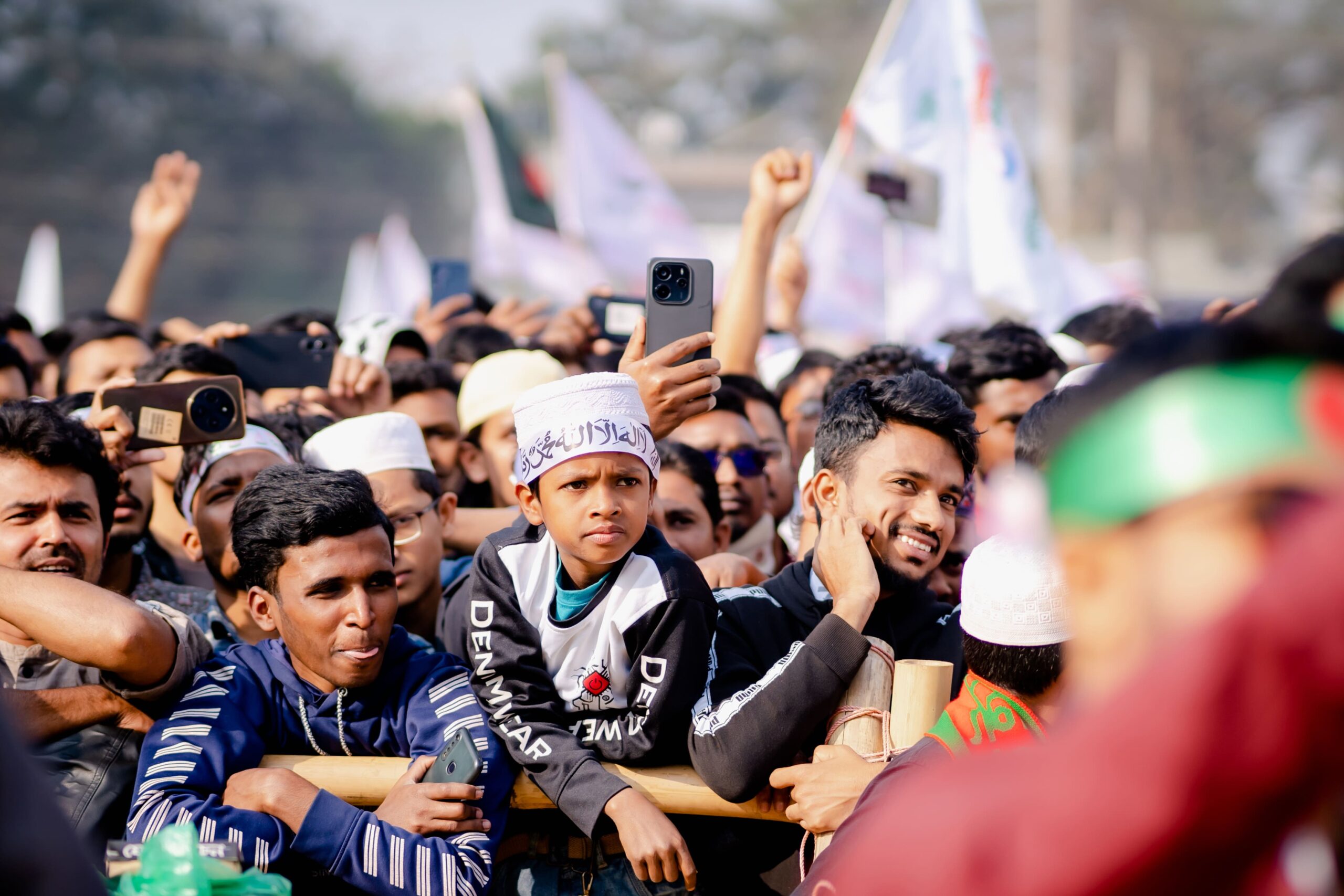
The student-led uprising of July 2024 reshaped Bangladesh’s political landscape by weakening the Awami League’s dominance and creating space for previously marginalized political actors. Tarique Rahman, returning to active political leadership after 17 years in exile, framed the July uprising as a transformative political moment and at times drew symbolic parallels with the Liberation War of 1971, presenting it as a renewed assertion of popular sovereignty against authoritarian rule. This framing appeared partly intended to broaden his political appeal among students and younger voters and to gain wider acceptance among sections of the electorate, including former Awami League supporters, within the political space created by Sheikh Hasina’s forced exit from power. In articulating the vision of a “New Bangladesh,” Rahman emphasized inclusive governance, economic revitalization, and institutional reform. Notably, his rhetoric sought to project a broader political appeal that moved beyond the explicitly Islamist undertones historically associated with the ideological repositioning of the state under Zia-ur-Rahman after 1975 and with aspects of the BNP’s political alliances during Khaleda Zia’s governments. Rahman’s emphasis on inclusivity, democratic restoration, and constitutional governance suggested a recalibration, if not a clear departure, from the sharper Islamist orientation that had characterized earlier phases of BNP politics.
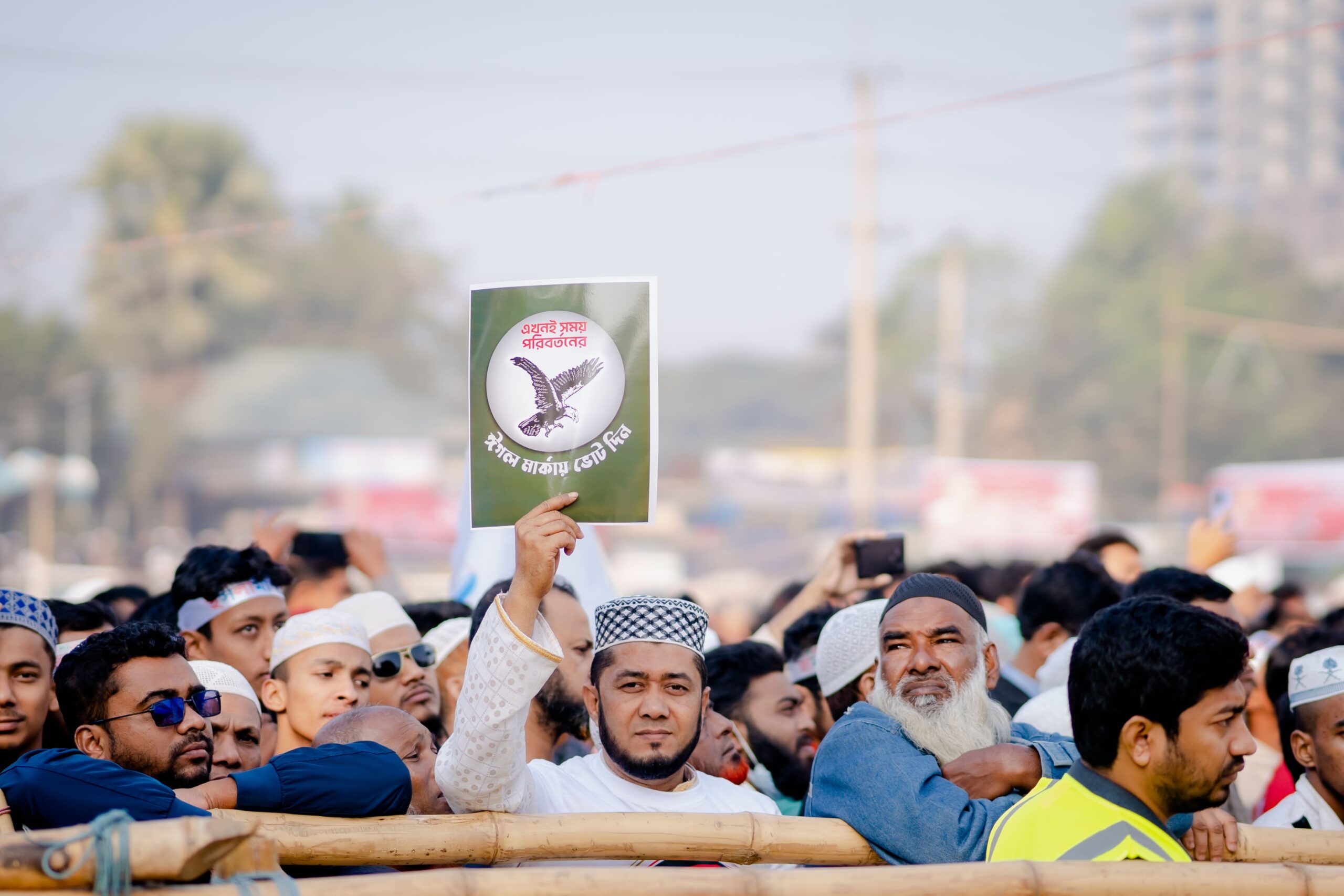
The 2026 general elections, which returned the BNP to power under Rahman’s leadership, reflected both widespread dissatisfaction with the previous government and the enduring organizational strength of established political parties. Rahman’s political messaging highlighted economic recovery, employment generation, and institutional reform while also articulating a vision of national reconciliation. His public statements stressed pluralism and civic inclusion, themes that contrasted with the stronger ideological emphasis on Islam associated with the formulation of Bangladeshi nationalism under Zia-ur-Rahman. Whether this shift represents substantive ideological moderation or merely a pragmatic electoral repositioning remains a subject of debate. Nevertheless, Rahman’s discourse suggested an attempt to broaden the BNP’s appeal beyond its traditional Islamist and nationalist constituencies, at least in the immediate political context, while seeking to marginalize Jamaat-e-Islami by mobilizing more moderate sections of the electorate, including former Awami League supporters and women voters.
This recalibration was also visible in Rahman’s articulation of foreign policy following his return to Bangladesh in late 2025 and during the 2026 election campaign. Historically, BNP governments had pursued a foreign policy orientation emphasizing strategic distance from India and closer engagement with Pakistan, China, and the broader Islamic world during the periods of Zia-ur-Rahman and Khaleda Zia. Rahman’s statements in 2026, however, framed Bangladesh’s diplomacy in terms of balanced engagement and economic pragmatism. His emphasis on an independent foreign policy combined the BNP’s longstanding assertion of strategic autonomy with a more cautious and multi-vector approach toward major partners, including India, China, and the United States.
During the transitional period under the interim administration led by Muhammad Yunus, Islamist political actors also recalibrated their public rhetoric. Jamaat-e-Islami and affiliated organizations, while continuing to invoke Islamic values in political discourse, increasingly emphasized democratic participation, social justice, and national inclusivity. During the election campaign and in statements following the election results, Jamaat leaders projected a more moderate public posture, stressing their commitment to constitutional politics and coalition cooperation. Yet the political turbulence accompanying the uprising also witnessed a series of symbolic confrontations over the historical and cultural foundations of the Bangladeshi state. Acts of vandalism and demolition targeted monuments and institutions associated with the Liberation War and the legacy of Sheikh Mujibur Rahman, including statues of Mujib, the historic Dhanmondi residence that had been converted into a museum, and offices of the Awami League. In several instances, institutions representing the syncretic cultural traditions of Bengali nationalism, including statues of Rabindranath Tagore and centres associated with dance, theatre, and literary activities, were also targeted. While many of these actions were carried out by mobilized groups of students and youth during the volatile political environment of the uprising, observers have suggested that Islamist networks sympathetic to Jamaat may have played a role in encouraging or channeling such mobilization. The juxtaposition of moderated Islamist rhetoric with the symbolic targeting of Liberation War icons and syncretic cultural institutions highlights a deeper ideological contest within Bangladeshi politics. These symbolic confrontations reflect the enduring ideological contest between the Islamic political mobilization that produced Pakistan and the secular nationalism that created Bangladesh.
At the same time, it remains uncertain whether Tarique Rahman’s moderation represents a durable ideological transformation within the BNP or a strategic recalibration intended to consolidate political authority under new electoral conditions. Historically, the party’s ideological foundations, shaped by Zia-ur-Rahman’s formulation of Bangladeshi nationalism, combined territorial nationalism with a prominent role for Islamic identity in public life. Some observers therefore interpret Rahman’s current emphasis on inclusivity, democratic restoration, and economic governance as a tactical effort to broaden the BNP’s political base and establish political hegemony in a fragmented post-Hasina political landscape. From this perspective, the rhetoric of a “New Bangladesh” may serve to attract moderate constituencies, including segments of the Awami League electorate and younger voters mobilized during the July uprising, while temporarily distancing the party from overtly Islamist political alignments. Whether such moderation represents a lasting ideological reorientation or a transitional strategy preceding a renewed emphasis on the BNP’s traditional ideological framework remains an open question. The answer will likely depend on how the party balances electoral pragmatism with its long-standing ideological commitments in the evolving political order of post-2026 Bangladesh.
Both the BNP under Tarique Rahman and Jamaat-e-Islami thus appear to be navigating a political environment in which overt ideological polarization carries electoral risks, while broader narratives of inclusivity, democratic legitimacy, and economic development remain politically advantageous. Bangladesh’s evolving politics therefore reflects strategic recalibrations rather than ideological rupture, reinforcing the country’s trajectory toward a post-secular hybrid political order.
Bangladesh as a Post-Secular Hybrid State
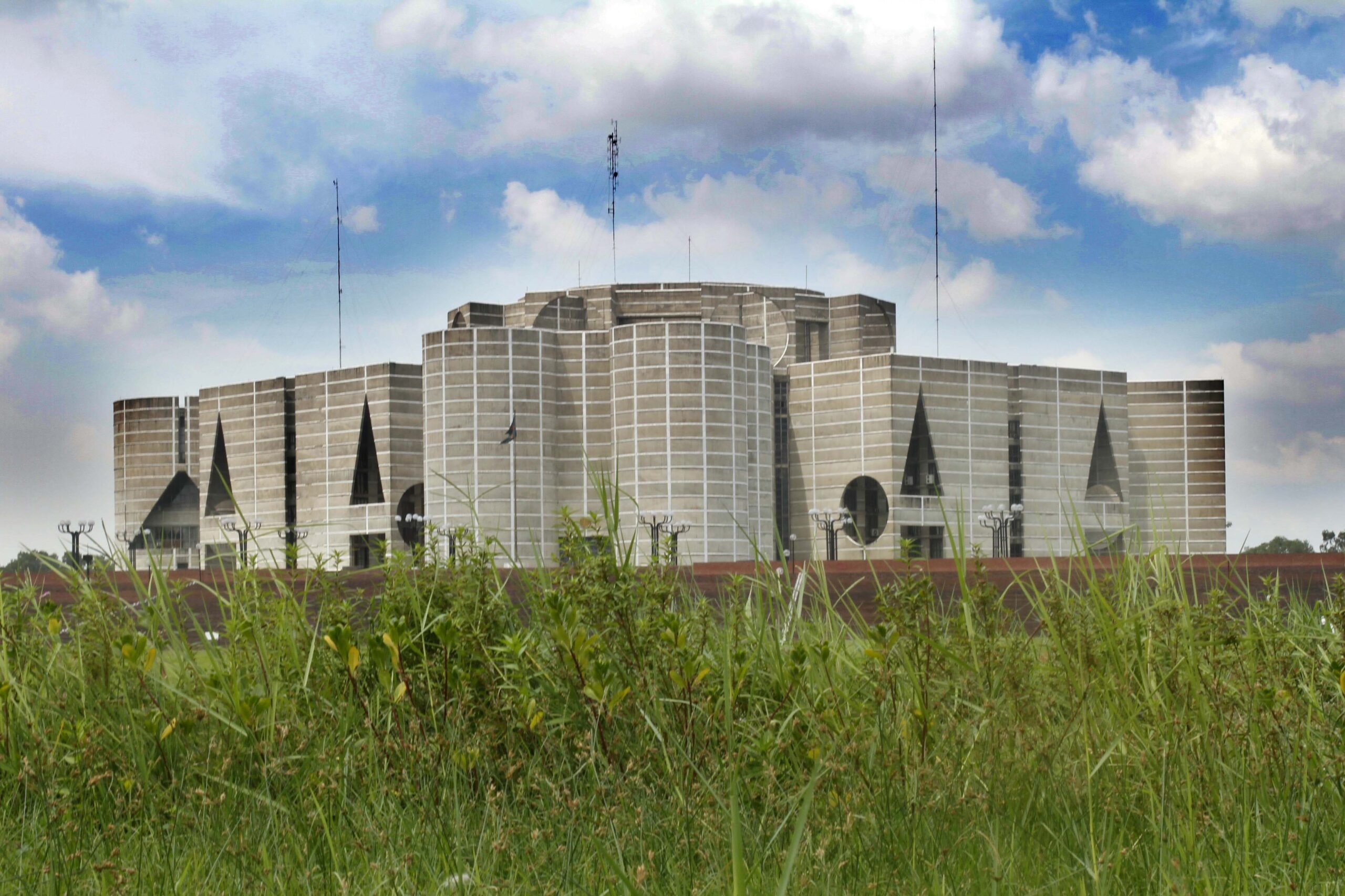
The political trajectory of Bangladesh since the late twentieth century suggests the gradual emergence of what may be described as a post-secular hybrid state. Secular constitutional principles continue to define the formal structure of the state, yet religious identity remains a powerful force shaping political discourse, social institutions, and electoral mobilization. Rather than replacing secular nationalism, Islamist politics has increasingly become embedded within the broader political system through political parties, educational networks, and religious organizations.
This hybridity reflects the unresolved tension between two competing visions of national identity: secular Bengali nationalism, rooted in the Liberation War of 1971, and Islamic political identity, which continues to draw legitimacy from the earlier mobilization that contributed to the creation of Pakistan. Contemporary Bangladeshi politics therefore operates within a framework in which these competing ideological traditions simultaneously contest, coexist, and interact within the same political system.
Conclusion
The resurgence of the Bangladesh Nationalist Party and Islamist political actors following the 2026 general elections, rather than signaling a return to the ideological framework that produced Pakistan, reflects the persistence of a long historical negotiation between religion and nationalism in Bangladesh’s political life.
Islamic political mobilization played a decisive role in legitimizing the Pakistan movement in the 1940s. Yet the rise of Bengali linguistic nationalism exposed the structural limitations of religion-based statehood and ultimately culminated in the creation of Bangladesh in 1971. Subsequent political developments, particularly the ideological reforms introduced under Zia-ur-Rahman after 1975, gradually reintroduced Islamic identity into Bangladesh’s political framework. Contemporary Bangladesh therefore appears less as a secular state reverting to religious politics than as a post-secular hybrid political order in which constitutional secularism coexists with entrenched religious political mobilization.
Bangladesh’s political evolution since the mid-twentieth century reveals that the ideological conflict that shaped Bengal in the 1940s remains unresolved. Islamic political mobilization facilitated the creation of Pakistan, while Bengali linguistic nationalism produced the secular settlement that accompanied the emergence of Bangladesh in 1971. Yet the continued presence of religious political mobilization demonstrates that the secular project never fully displaced the deeper cultural and institutional influence of Islamic identity.
Rather than moving toward either complete secularization or full Islamization, Bangladesh continues to negotiate a complex equilibrium between religion, nationalism, and democratic politics. Understanding Bangladesh’s political trajectory therefore requires recognizing the continuing historical negotiation between secular constitutionalism and systemic Islamism within a hybrid political order that continues to shape the country’s evolving democratic politics. The future of Bangladesh’s democracy will depend on how this ideological contest is institutionally mediated within its evolving hybrid political order.
References
Chatterji, J. (1994). Bengal divided: Hindu communalism and partition, 1932–1947. Cambridge University Press.
Ellis, G. (2007). Madrasas in Bangladesh: Education and radicalization. International Crisis Group.
Fazal, T. M. (1999). Religion, language, and the formation of Bangladesh. Journal of Asian Studies, 58(2), 331–356.
Ghosh, P. S. (2011). Religion and politics in Bengal: The Hindu–Muslim question. Oxford University Press.
Grare, F. (2005). Political Islam in the Indian subcontinent: The Jamaat-i-Islami. Oxford University Press.
Hossain, M. (2004). Islamic elements in democratization in Bangladesh. Asian Journal of Political Science, 12(1), 54–72.
Huque, A. S. (1987). The ubiquity of Islam: Religion and society in Bangladesh. Asian Survey, 27(3), 276–288.
Islam, M. N. (1981). Islam and national identity in Bangladesh. Asian Survey, 21(7), 703–715.
Islam, M. S. (2016). Crisis of Islamist extremism in Bangladesh. Journal of Asian Security and International Affairs, 3(2), 219–238.
Khan, Z. R. (1985). Islam and Bengali nationalism. Asian Survey, 25(8), 834–851.
Mahajan, S. (1987). Social pressures towards partition: The Noakhali riots of 1946. Proceedings of the Indian History Congress, 48, 571–578.
Mannan, M. A. (2018). Islam’s role in Bangladesh and Pakistan: Comparative perspectives. South Asian Studies, 33(1), 45–58.
Maniruzzaman, T. (1975). Bangladesh in 1974: Economic crisis and political polarization. Asian Survey, 15(2), 117–128.
Mitra, S. (1990). The Great Calcutta killings of 1946. Modern Asian Studies, 24(4), 727–748.
Rashiduzzaman, M. (1970). The Awami League in the political development of Pakistan. Asian Survey, 10(7), 574–587.
————————. (1979). The political evolution of Bangladesh. Asian Survey, 19(9), 897–912.
Riaz, A. (2008). Faithful education: Madrassahs in South Asia. Rutgers University Press.
Roy, S. (2009). Partition and political identity in Bengal. Modern Asian Studies, 43(3), 789–815.
Talbot, I. (2009). Pakistan: A modern history. Hurst.
Zaman, M. Q. (1975). The emergence of Bangladesh and the politics of identity. Asian Survey, 15(3), 210–225.
11 thoughts on “From Secular Nationalism to Post-Secular Hybridity: Bangladesh Between Systemic Islamism and Democratic Politics, 1946–2026”
Leave a Comment
Social Media Updates
 Facebook
 Instagram
 YouTube




Partner with us and earn recurring commissions—join the affiliate program!
Promote our products and earn real money—apply today!
Drive sales, earn big—enroll in our affiliate program!
Unlock top-tier commissions—become our affiliate partner now!
Join forces with us and profit from every click!
Tap into a new revenue stream—become an affiliate partner!
Monetize your audience with our high-converting offers—apply today!
Share your link and rake in rewards—join our affiliate team!
Unlock exclusive rewards with every referral—apply to our affiliate program now!
Join our affiliate community and start earning instantly!
Earn big by sharing our offers—become an affiliate today!