



Programme
Manthan-3: India’s Strategy to Combat Waste Colonialism
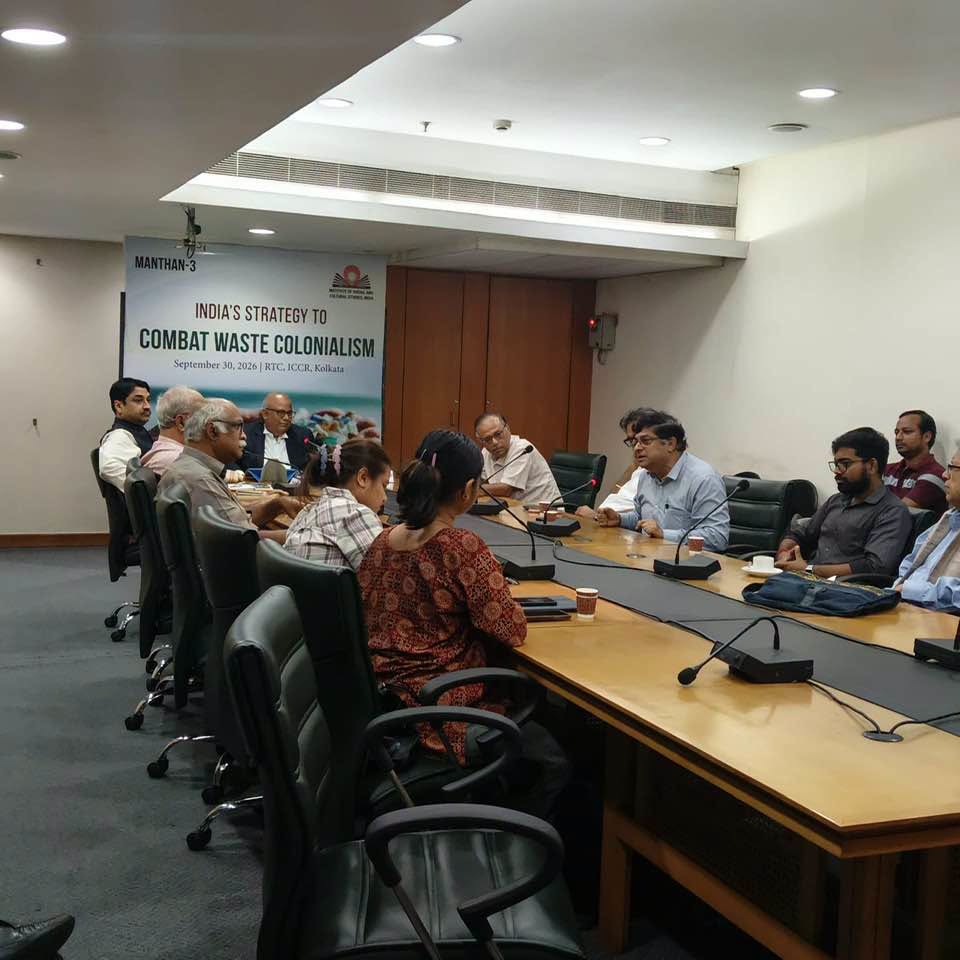
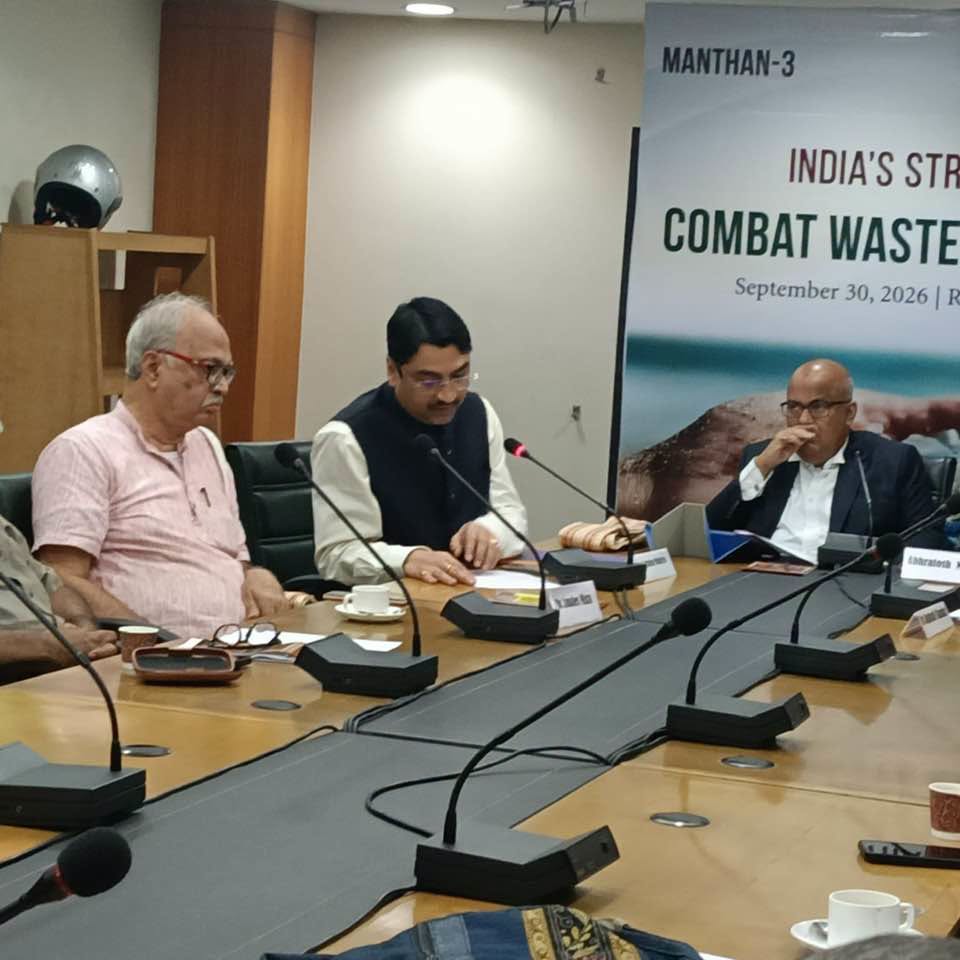
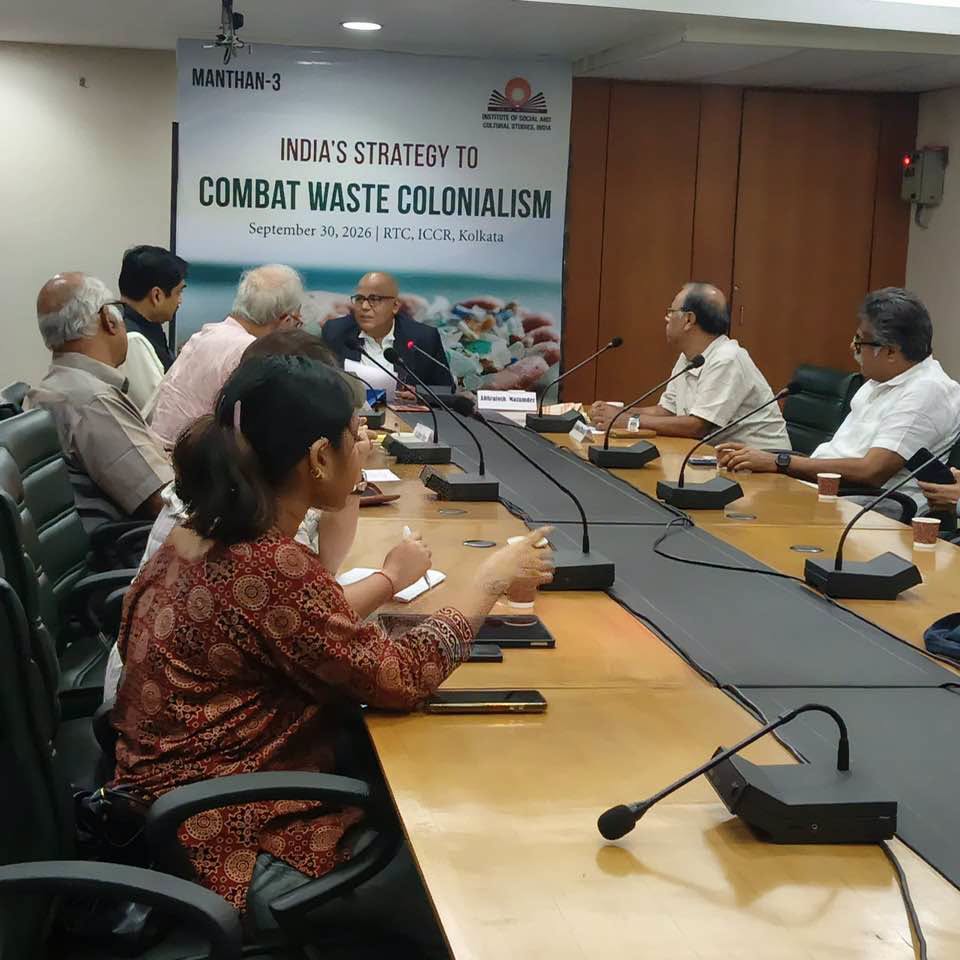
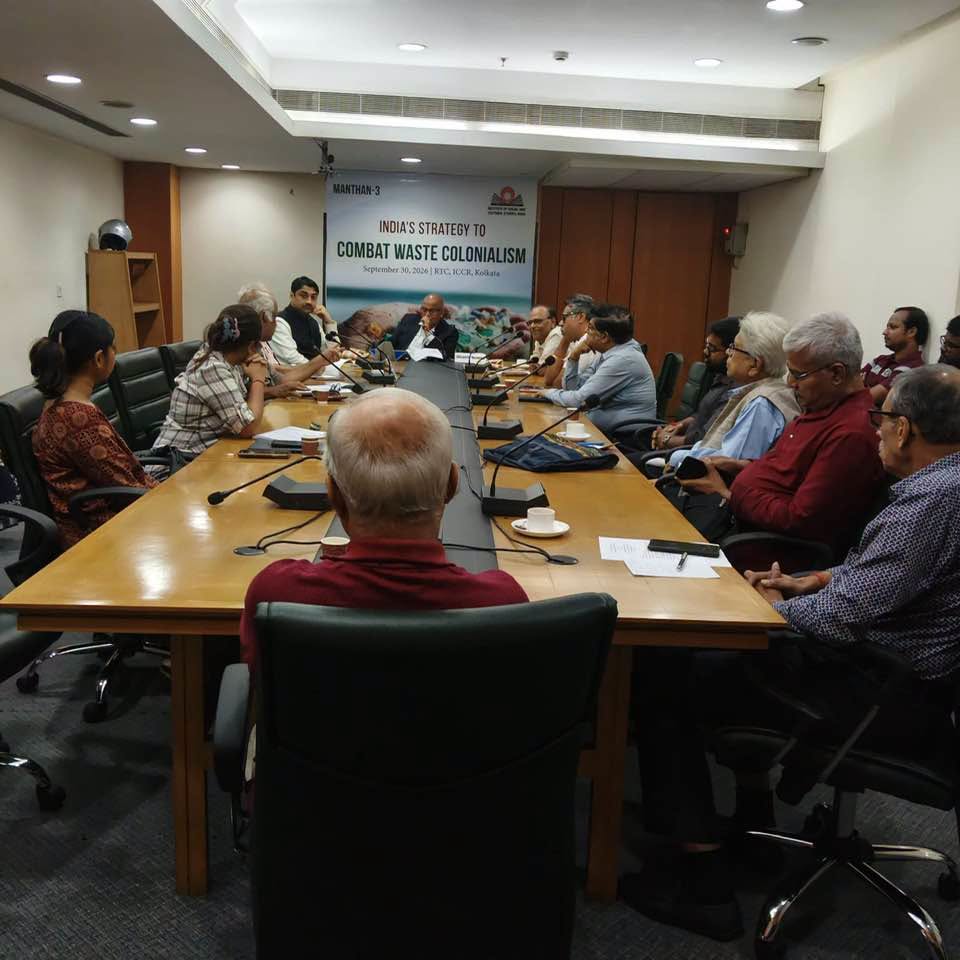
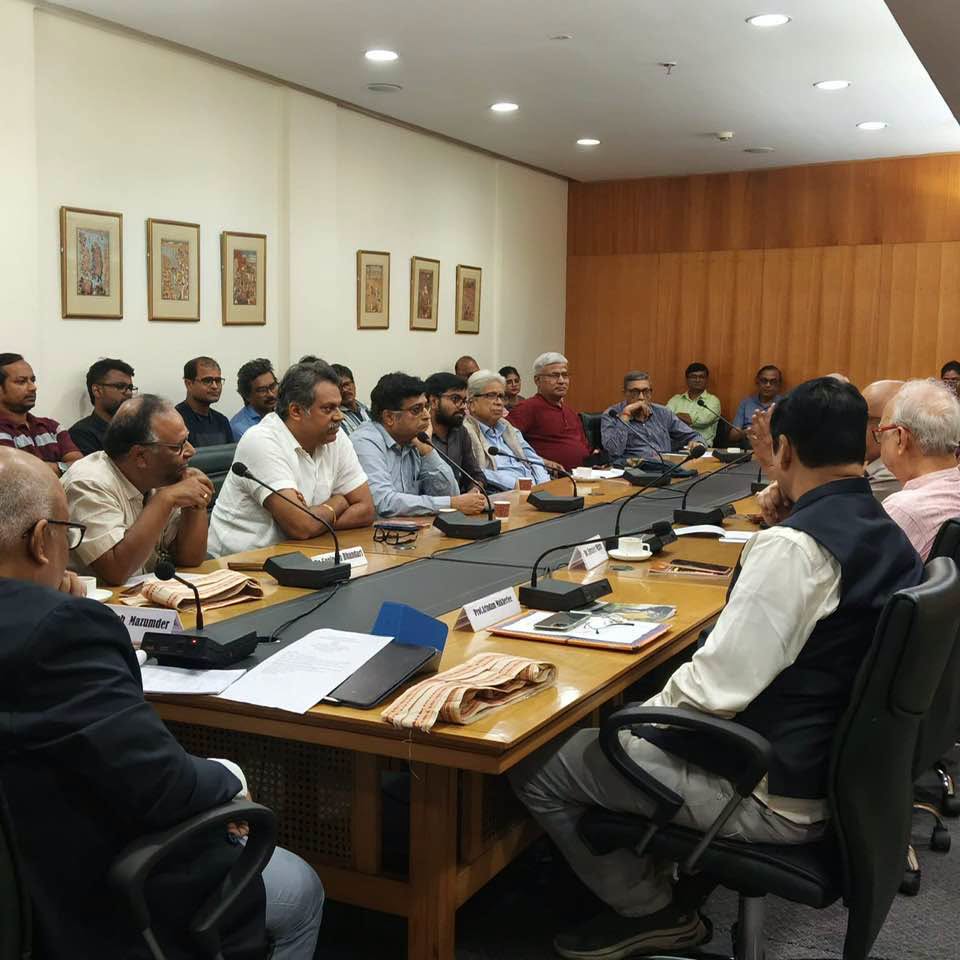
The Institute of Social and Cultural Studies (ISCS), Kolkata, organised Manthan-3: “India’s Strategy to Combat Waste Colonialism” on 30 September 2026 at the RTC, Indian Council for Cultural Relations (ICCR), Kolkata. The seminar examined the growing problem of transboundary movement of waste and its implications for India and the wider Global South. The concept of “waste colonialism” was discussed in relation to the unequal distribution of environmental burdens, environmental justice, ecological security, public health, and the regulatory challenges associated with international waste movement.
The relevance of the subject was reinforced by the recent Madras High Court judgment in M/s. Sripathi Paper and Boards Private Limited v. The Commissioner of Customs and Others, concerning consignments declared as waste paper but found to contain substantial quantities of municipal waste. The Court’s engagement with the concept of waste colonialism, together with its consideration of the Basel Convention, re-export of improperly imported waste, and environmental and financial liabilities, provided an important legal context for the seminar.
The programme commenced with a felicitation and introductory address by Prof. Arindam Mukherjee, Director, ISCS, Kolkata. He explained the rationale of the seminar and situated waste colonialism within the broader framework of environmental governance, sustainable development, and the unequal ecological consequences of global economic practices. He subsequently invited Shri Abhratosh Majumder, Chair of the session, to initiate the deliberations.
Shri Majumder examined India’s existing legal and regulatory framework for addressing waste colonialism, with particular emphasis on the recent Madras High Court judgment. His intervention highlighted the importance of regulatory vigilance and effective enforcement in preventing the entry of improperly classified or environmentally harmful waste into India.
Dr. Gupinath Bhandari focused on the implementation of environmental laws. While recognizing the considerable body of environmental legislation and scientific research in India, he identified the gap between knowledge and implementation as a major challenge. He particularly emphasized the need for closer coordination between the scientific community and administrative institutions so that scientific findings can be effectively translated into policy and practical action.
Dr. Amalesh Mishra approached the subject from social, cultural, economic, and ecological perspectives. He stressed the importance of environmental education and grassroots participation for environmental protection, particularly the role of school students in developing ecological awareness. He argued for greater incorporation of environmental concerns into educational policy and emphasised the need to cultivate a sustained culture of environmental responsibility and ecosystem restoration, conservation and preservation.
In his concluding observations, the Chair highlighted several key regulatory concerns, including the role and limitations of Pre-Shipment Inspection Certificates (PSICs), the provisions of India’s Foreign Trade Policy (FTP) governing waste imports, particularly hazardous waste, and the role of State Pollution Control Boards (SPCBs) and customs authorities in ensuring effective regulatory oversight. He further emphasised the need for greater coordination between Indian and foreign regulatory agencies, along with strengthened mechanisms for the physical inspection of consignments and the prevention and detection of misdeclaration. The session was followed by an interactive discussion with the audience, during which several pertinent questions and observations were raised and addressed by the speakers.